
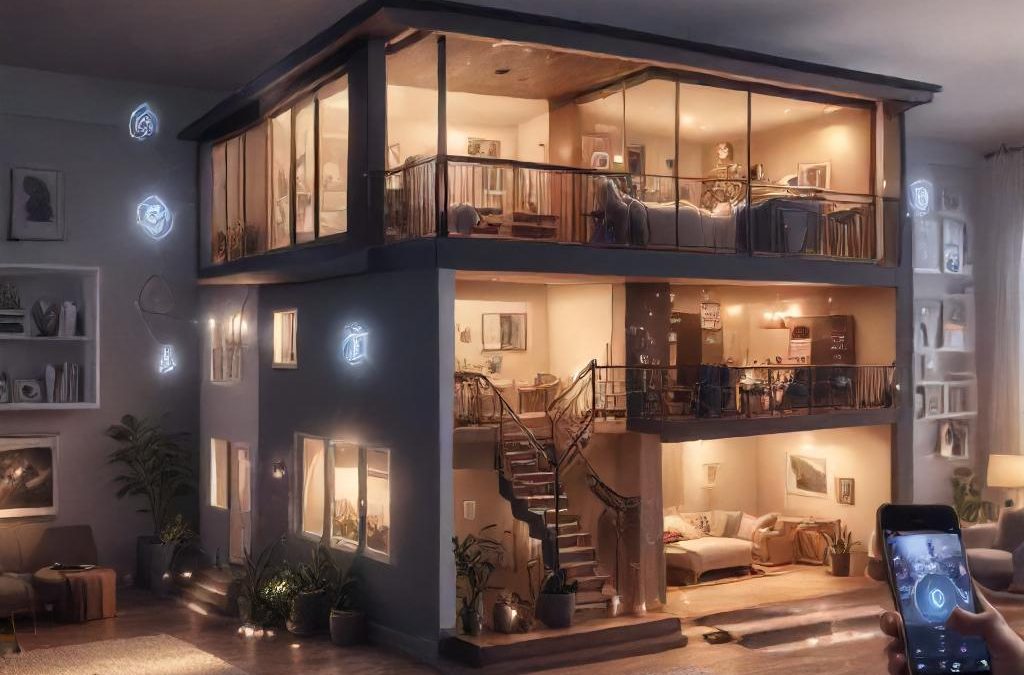

7 Powerful Insights into Future of Smart Homes
The future of smart homes is being rapidly shaped by advances in Internet of Things (IoT) technology. Homes are becoming more efficient, secure, and convenient through connected devices. This evolution promises a profound impact on daily living.
Introduction to Smart Homes
Smart homes utilize IoT to connect various devices and systems within a home. This connectivity allows for automation and remote control, enhancing convenience and security. The potential of smart homes is immense and growing.
The Evolution of Smart Home Technology
Smart home technology has evolved significantly over the past decade. Initial developments focused on simple automation tasks. Today, complex systems integrate multiple devices seamlessly.
A Brief History
Smart home concepts began with basic remote controls for lights and appliances. The technology then expanded to include more advanced systems. These systems offered greater control and automation.
Current Trends in Smart Homes
Current trends in smart homes are driven by innovation in IoT. These trends are making homes smarter and more efficient.
Integration of Voice Assistants
Voice assistants like Amazon Alexa and Google Home are now central to smart homes. These devices control other smart devices through voice commands. The integration of voice assistants is transforming how users interact with their homes.
Internal Link: Learn more about how voice assistants are revolutionizing smart homes.
The Future of Smart Homes
The future of smart homes looks incredibly promising. Emerging technologies are set to transform everyday living. Here are seven powerful insights into what to expect.
1. Enhanced Connectivity
In the future, smart homes will feature enhanced connectivity. Devices will communicate more effectively with each other. This improvement will lead to greater automation and efficiency.
2. Advanced Home Security
Advanced home security systems will become a standard feature in smart homes. These systems will include smart cameras, locks, and alarms. Enhanced security features will provide peace of mind for homeowners.
Internal Link: Check out the guide on enhancing home security with smart technology.
3. Energy Efficiency
Energy efficiency will be a major focus in future smart homes. Smart thermostats and energy management systems will optimize energy usage. This will result in lower utility bills and reduced environmental impact.
4. Health and Wellness Integration
Future smart homes will integrate health and wellness features. Devices like smart beds and fitness trackers will monitor health metrics. This integration will promote healthier lifestyles.
External Link: Discover more about health and wellness technology trends.
5. Personalized Living Experiences
Personalization will play a big role in future smart homes. AI and machine learning will tailor home environments to individual preferences. This will create more comfortable and enjoyable living spaces.
6. Enhanced Home Entertainment
Home entertainment will be revolutionized by smart technology. Devices will offer immersive experiences through high-quality audio and video. Integration with streaming services will make accessing content easier.
Internal Link: Explore the future of home entertainment with smart devices.
7. Sustainable Living
Sustainable living practices will be integrated into smart homes. Solar panels and smart irrigation systems will support eco-friendly lifestyles. Smart homes will contribute to a sustainable future.
External Link: Learn about the impact of sustainable living in smart homes.

Challenges and Considerations
The future of smart homes presents several challenges. Privacy and security are major concerns. Ensuring data protection and secure device connections is critical.
Privacy Concerns
Privacy concerns arise from the data collected by smart devices. This data can include personal information and usage patterns. Ensuring data privacy will be essential as smart homes become more prevalent.
Security Issues
Security issues are another significant challenge. Connected devices can be vulnerable to cyber-attacks. Robust security measures will be necessary to protect smart homes.
External Link: Understand the importance of cybersecurity in smart homes.
Conclusion
The future of smart homes is bright and full of potential. Enhanced connectivity, advanced security, and energy efficiency are just the beginning. As technology continues to evolve, smart homes will become an integral part of everyday life.
Internal Link: For more insights, read our article on the latest trends in smart home technology.
By embracing these advancements, we can look forward to a more convenient, secure, and sustainable future in our homes.
